

Waymo’s Move Towards Autonomy: A Definitive Shift in Ridesharing
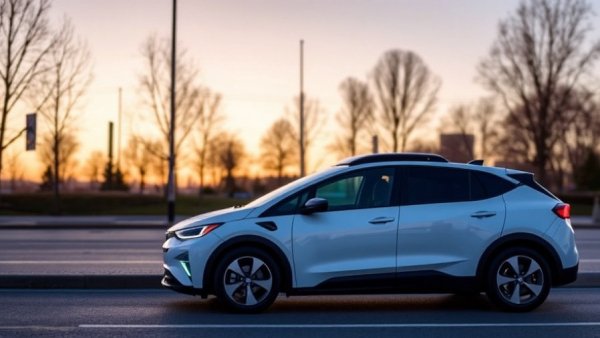
As of January 2028, Waymo will sever its partnership with Uber, marking a significant shift in the realm of ridesharing and autonomous vehicles. Co-CEO Tekedra Mawakana confirmed this change to Bloomberg News, stating that riders in Austin and Atlanta will soon enjoy rides directly through Waymo's app rather than Uber's platform. This decision underscores Waymo’s commitment to providing a consistent experience, enhancing transparency for users who prefer robotaxi services.
The Decision Behind the Split
The collaboration between Waymo and Uber was initially deemed beneficial due to Uber's wide reach, allowing Waymo to leverage the ride-hailing giant’s customer base. However, Mawakana highlighted an important aspect—the experience for riders was inconsistent. Riders were often unsure if they would receive a human-driven vehicle or a robotaxi, diminishing the trust factor crucial for users in the increasingly competitive market of autonomous transport.
What This Means for Riders and the Industry
For tech-savvy individuals, this split represents a pivotal moment in the development of transportation technologies. By allowing riders to engage directly with their preferred robotaxi service, Waymo aims to create a more reliable and user-focused experience. The company’s decision resonates with feedback from users who expressed a desire for greater clarity and a more seamless integration of technology into their daily transportation needs.
Exploring the Future of Autonomous Services
This move not only points to Waymo’s strategic direction but also aligns with broader trends in the digital transformation of transportation. As companies increasingly embrace cloud computing and machine learning, autonomous services are becoming more efficient and responsive. Waymo's pivot could set a precedent that encourages further advancements in technology integration, potentially inspiring other companies within the ridesharing space to innovate similar routes.
Local Impact and Relevance to Current Events
The split is particularly significant in the context of ongoing discussions about the future of public transportation and the role of technology in urban environments. As cities grapple with traffic congestion and environmental concerns, autonomous vehicles like those from Waymo could potentially offer a more sustainable alternative. Further, this transition captures the attention of the younger demographic of 18-35-year-olds who are keen followers of technology news and are likely to shape the future landscape of travel and mobility.
Expert Insights: Industry Leaders Weigh In
Industry experts suggest that this split reflects a growing trend where tech companies increasingly favor direct-to-consumer interactions as they evolve. According to analysts, this approach can enhance user experience by eliminating intermediaries which often complicate service delivery. Companies like Waymo embracing direct consumer engagement can create more streamlined and personalized services, aligning perfectly with expectations of today’s tech-savvy consumers.
Step-by-Step Implementation: What to Expect Next?
With the impending transition in 2028, Waymo users can expect a phased rollout of new features within the app designed to improve user experience, such as real-time updates about vehicle arrivals and increased navigational aids. Users will also be encouraged to provide feedback as Waymo refines its services, ensuring the technology evolves alongside user preferences.
Conclusion: A Future to Navigate
As we enter a new chapter in transportation technology, Waymo's commitment to establishing a direct connection with riders is a significant step forward in creating a robust autonomous service. This split with Uber is not merely a business decision; it’s indicative of where technology is headed. Staying informed about the latest tech trends such as AI and robotics will empower consumers, guiding them through the evolving landscape of smart transport options.



Write A Comment