
A Chaotic Day at Emory Law School
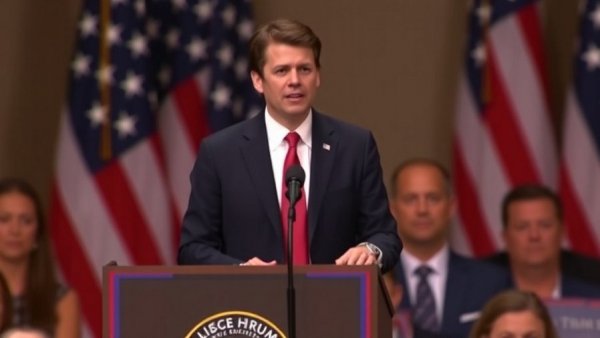
Recently, the atmosphere at Emory Law School turned electric during a seemingly routine event featuring Donald Trump Jr. The occasion, intended to celebrate his friend's achievement of having a building named after him, quickly spiraled into a heated display of dissent. Students who previously had no knowledge of Trump Jr.'s visit erupted in vocal opposition, chanting phrases like "The country has rebuked you!" Their heckling stemmed from a broader frustration over the recent midterm elections, where the GOP faced notable setbacks. This intensity reflects not only immediate reactions but a deeper, simmering discontent among young voters, particularly those in college settings who are increasingly engaged in political discussions.
Context Matters: What Sparked the Outrage?
The midterm elections served as a pivotal turning point in American politics, with Democrats regaining control of both the House and Senate. The results echoed a strong voter sentiment against the Trump legacy, spurring protest among younger generations who feel misrepresented by figures such as Donald Trump Jr. Many young voters, passionate about issues like climate change, racial justice, and social equity, see Trump and his family as emblematic of a political system that often overlooks their concerns.
This dissatisfaction extends beyond a single election cycle; it is a reflection of broader societal shifts. The implications for political representatives and their families urge a discourse on accountability—a subject many millennials and Gen Z refuse to gloss over. By heckling Trump Jr., these students weren't merely being confrontational; they were expressing profound discontent with the policies and leadership styles associated with his family legacy, positioning themselves as advocates for a future aligned with their values.
The Impact of Social Media on Political Discourse
Platforms like Twitter and Instagram have transformed how political actions are communicated and discussed. Videos of the heckling quickly went viral, showcasing how social activism and celebrity encounters blur through digital mediums. The students' actions, captured and spread on various social networks, became more than just an uproar at a law school—they became a viral moment that encapsulates the zeitgeist of political opinion among youth, drawing attention to the power of collective voices in a digital age.
The rapid dissemination of content related to the encounter illustrates how social media can amplify messages, creating a feedback loop between actions taken on the ground and their visibility online. This phenomenon has allowed young people to articulate their stances and mobilize support for their views, effectively reshaping political discourse to prioritize a younger demographic’s concerns.
Are Celebrity Encounters Complicated Anymore?
Celebrity visits often carry a double-edged sword, especially in politically charged atmospheres. Trump Jr. arrived at Emory with a history rife with controversy, and students' reactions were informed by the political ramifications of his father's presidency. The way young people perceive celebrity appearances is intricately tied to social issues at large, influencing how they respond to those figures. These encounters showcase the growing expectation that public figures should not only entertain but also engage responsibly with a generation more inclined toward activism.
A Broader Conversation About Political Activism
The protest at Emory reflects a growing trend of politically motivated acts on campuses across the U.S. As students become more involved in social issues, they recognize the role of their generation in shaping the politics of tomorrow. Events like this one serve as a reminder that young voices are not only being heard but are also actively participating in the national discourse. Their readiness to confront established norms speaks volumes about their commitment to making their opinions known.
Furthermore, this engagement goes beyond mere dissatisfaction; it is a display of empowerment. College campuses are now arenas where future leaders are forged, and where students challenge old paradigms to cultivate a more inclusive dialogue. The rise of political activism among youth signals a hopeful shift towards a society that values diverse perspectives and seeks to address inadequacies in representation.
A Moment for Reflection
As for Trump Jr., the confrontation raises questions about how political figures engage with those most impacted by their policies. The challenge moving forward will be navigating these fiery interactions with understanding rather than defiance. Political leaders, especially those with a controversial past, must consider the implications of their appearances and messages in spaces filled with those who may strongly disagree with them.
This incident, while loud and disruptive, ultimately serves as a wake-up call to all political figures: ignore the cacophony at your own peril. As history shows, young voters wield significant influence—and they are ready to hold you accountable. The dynamics at Emory Law School thus reflect a burgeoning political consciousness that can no longer be easily dismissed or overlooked.



Write A Comment