

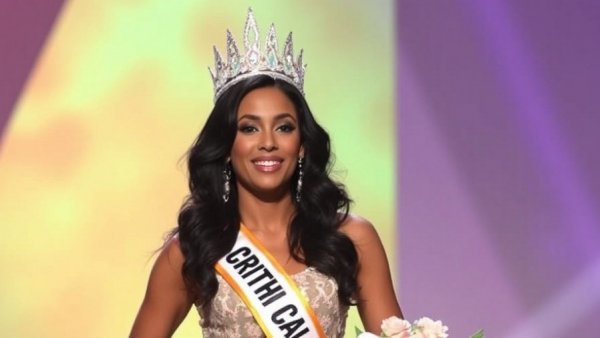
Miss North Carolina USA Strikes Back: A Case of Misrepresentation
Brittany Boltinhouse, the recently crowned Miss North Carolina USA, is making headlines not just for her title but for a legal battle that has gripped the public's attention. She is adamantly challenging the organization over allegations that she approved an apology for past use of a racial slur. According to documents obtained by TMZ, Boltinhouse maintains that the organization, led by CEO Thom Brodeur, misrepresented her position, claiming she accepted responsibility for statements she never made.
The Heart of the Controversy
The controversy centers around Boltinhouse's old social media posts, which contained language many consider offensive. Acknowledging her past, the pageant winner argues that the apology attributed to her was entirely drafted by external parties. Boltinhouse states that she was presented with an apology she never sanctioned, clearly stating her refusal of it. This situation has sparked widespread discussions on the implications of digital footprints, accountability, and free speech in the age of social media.
Defending the Defamation Claims
In her legal documents, Boltinhouse's attorneys highlight the significant distinction between calling someone racist and alleging that they have admitted to such behavior through a written apology. This point is crucial as it brings into question the rights of organizations to publicly label individuals based on prior actions, particularly when it involves statements that were never authorized. Critics and supporters alike argue that we live in a culture that is quick to judge, especially when digital artifacts can resurface years later with contemporary scrutiny.
Examining the Broader Conversation
The fallout from Boltinhouse's case is indicative of a larger trend where social media history can jeopardize careers. Recent instances of public figures facing similar dilemmas have sparked heated debates about cultural sensitivity and the power of apologies in today’s society. While some argue that accountability must be maintained, others caution against the repercussions of societal hella-logic, where past mistakes lead to present condemnations.
Political Considerations: The Role of Beliefs
Interestingly, Boltinhouse claims she was also targeted for her conservative Christian beliefs, suggesting that her political views played a role in the dismissal of her crown. The intertwining of political ideology with public persona isn't new and reflects a current climate where various views are often at odds. Social media serves as a battleground where opinions clash, and in Boltinhouse’s case, it raises questions about whether personal beliefs and digital history should dictate a person’s worthiness for public representation.
Future Impact: What Lies Ahead?
This case might set precedents for similar lawsuits across industries, particularly as social media continues to shape reputations. For Boltinhouse, the outcome isn’t just about her title but the recognition of individual rights against misrepresentation. Her stance could lead to more rigorous scrutiny and transparency in how public figures are portrayed by organizations, especially when controversies arise from their past.
Conclusion: The Call for Fair Representation
As Boltinhouse stands her ground, this situation calls for a reevaluation of how apologies, accountability, and personal histories are handled in the digital realm. The consent to a narrative should lie solely in the hands of the individuals involved. Whether you're a fan of pop culture or simply interested in the intricacies of social justice, following this case can provide insight into the changing landscape of public representation and accountability.




Write A Comment