
cropper
Correspondent Daily
  • Home
  • Categories
    • Business
    • News
    • Entertainment
    • Travel
    • Technology
    • Editor's Pick
    • Home & Property
November 19.2026
3 Minutes Read

Microsoft's Voluntary Resignation Offer: What This Means for AI in the Workplace

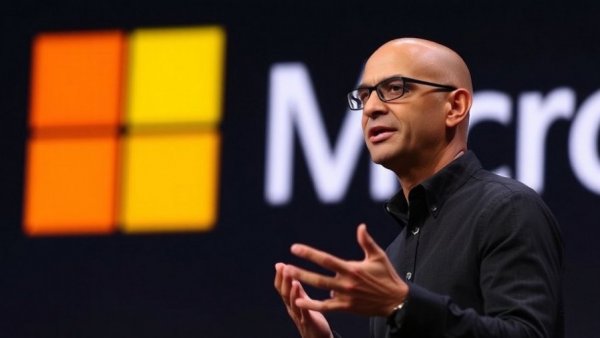
Microsoft CEO Satya Nadella explains why he asked 60K employees to quit

The Future of Work: Navigating Microsoft's AI Transformation

Microsoft has recently introduced a rather unprecedented approach to managing workforce dynamics within its organization. CEO Satya Nadella’s announcement of voluntary buyouts for 60,000 employees marks a significant pivot not only in personnel management but also in how the technology giant intends to harness the power of artificial intelligence (AI). Rather than view AI merely as a tool to replace human labor, Nadella emphasizes a visionary goal: reorganization around AI to enable employees to work smarter and embrace their agency in shaping their careers.

Understanding Nadella's Vision

During a conversation at the DealBook Summit, Nadella explained that his reasoning behind offering these buyouts was to empower employees to make informed choices about their futures. With Microsoft's ongoing commitment to integrating AI into the fabric of its operations, he acknowledged the anxiety that comes from being a part of a company undergoing digital transformation. By giving employees the option to resign, Nadella is attempting to provide them with a sense of control over their destiny amid the changes.

AI Not a Replacement, but a New Direction

Nadella clarified that the emphasis is not on replacing employees, especially in software engineering roles, but rather on shaping a new operational model where every employee will eventually assume a managerial role in relation to AI technologies. He provided an enlightening example of the Cowork team within Microsoft 365—a compact group of just 11 developers using AI effectively to revolutionize their workflows. This suggests a future where less focus is placed on direct task execution and more on overseeing the capabilities of AI.

The Emotional Impact of Change in Workforce Dynamics

Change often brings about emotional turmoil. As Nadella discussed on the podcast The Pragmatic Engineer, workforce anxiety can stem from theories such as the singularity—the moment when AI eclipses human intelligence. Employees naturally worry about job security, particularly when widespread narratives suggest that AI could take over entire professions. It's essential for organizations like Microsoft to foster open dialogue about these transformations, reassuring employees that there is still a vital role for human creativity and oversight.

A Potential Blueprint for Other Tech Giants

Microsoft's strategy could serve as both a warning and a model for other companies facing similar technological upheaval. With the rise of AI, many organizations may have to grapple with how to best transition their workforce in a way that retains talent while adapting to rapid changes in technology. Nadella's approach—encouraging voluntary exits instead of imposing layoffs—also underlines an important cultural shift: prioritizing employee choice during uncertain times.

What This Means for Future Workers

For tech-savvy millennials and Gen Z workers, the implications of Microsoft's shift are profound. As the workplace evolves, these age groups—who are known for their affinity for technology—must adapt to increasingly complex roles that will depend heavily on their ability to manage AI systems instead of traditional tasks. Employers may increasingly value skills surrounding digital literacy, emotional intelligence, and adaptive thinking as crucial contributors to workplace success.

Preparing for an AI-First Workplace

As companies like Microsoft redefine job roles, employees will need to prepare for this shift actively. Upskilling might involve increasing familiarity with AI tools, understanding machine learning basics, or even developing leadership skills to oversee AI-enhanced teams. By focusing on continuous learning and adaptability, workers can position themselves for success in a 21st-century tech landscape.

Concluding Thoughts on the Digital Transformation

The transition Microsoft is undergoing is a compelling case study in how legacy companies can evolve within the digital age. By encouraging employees to embrace change rather than resist it, Nadella is fostering a forward-thinking corporate culture. As the tech landscape continues to shift, the industry must collectively navigate the complexities of a future driven by artificial intelligence. Hopefully, lessons learned from Microsoft will resonate throughout Silicon Valley and beyond as companies approach the inevitable changes brought about by technology.

Technology

Write A Comment

*
*
Please complete the captcha to submit your comment.
Related Posts All Posts
11.18.2026

Nvidia's $65B Startup Stakes: The Uncertain Future After Huang

Update Nvidia's Soaring Startup Stakes: A Closer Look Nvidia has recently announced a staggering increase in its equity stakes in private companies, now totaling $65.5 billion—a jump from the $22 billion reported earlier this year. This rapid growth reflects both new investments and significant markups of existing holdings, underscoring Nvidia's aggressive strategy in the tech landscape. The Recent Surge in Investments In just the past quarter, Nvidia has invested an impressive $16 billion into equities, contributing to a total of $58 billion spent in the past nine months of its fiscal year. This marks a substantial increase compared to previous years; for instance, in November 2025, Nvidia reported only $5 billion allocated to equity in the first nine months. Such figures highlight a dramatic shift in Nvidia's investment philosophy, particularly focused on expanding the AI ecosystem. A Broader Strategy: AI Ecosystem Expansion Nvidia has backed nearly 350 startups since initiating its investment program, targeting companies that it believes will be "game changers and market makers" in artificial intelligence and cloud computing. High-profile investments include leading firms like Anthropic and OpenAI, alongside emerging companies that focus on infrastructure and robotics. Impact on the Venture Capital Ecosystem The ascent to a $65 billion portfolio raises pressing questions about the company's future direction, especially following the exit of long-time CEO Jensen Huang. Many investors and industry insiders are now speculating whether Nvidia will maintain its aggressive investment style without Huang at the helm. Concerns have been raised about potential shifts in investment strategies under interim leadership by Colette Kress, which could lead to a more conservative approach. Investor Sentiment and Future Predictions As Nvidia transitions leadership, venture capital firms are preparing for what some describe as a potential "pullback" in capital investments. Kress has indicated intentions to return excess free cash flow to shareholders, casting uncertainty over future funding for startups. This situation has left many venture capitalists anxious about the prospects of securing enough funding to fuel growth in innovative sectors. The Risks and Opportunities Ahead Though concerns about a conservative shift in Nvidia's investment strategy loom large, there remain significant opportunities in the tech space. The company’s history of financial backup—$118 billion in guarantees for data center expansions, including $105 billion supporting OpenAI’s large-scale operations—demonstrates a commitment to fostering growth in transformational technology. The evolution of the AI landscape presents a range of possibilities, yet the sustainability of Nvidia's funding will depend heavily on the strategic decisions of its new leadership. Concluding Perspectives The landscape of technology investment is shifting, and as Nvidia charts a new course, the ripple effects will likely impact future innovations, particularly in AI and machine learning. Marking a departure from Huang's presidency, investors await Kress’s firm strategy on navigating this evolving tech ecosystem. With careful evaluation of future commitments, Nvidia's next steps will be critical to ensuring that it remains at the forefront of digital transformation on a global scale. As the tech community watches closely, embracing a proactive approach to these developments can provide insights into the future paths of key players like Nvidia. Engage in discussions regarding emerging trends and explore the wider implications of these investment strategies to stay ahead in the rapidly advancing world of technology.

11.17.2026

Corma's Rapid Rise: What This $1B AI Cybersecurity Startup Means for Tech

Update Cybersecurity AI Startup Corma's Quick AscentIn an exciting development for the tech sector, Corma, a fledgling cybersecurity AI startup, has achieved a remarkable $1 billion valuation in just three months. The company, which officially emerged from stealth mode in August, recently raised $125 million in a Series A funding round led by NEA, bringing its total funding to $185 million. Well-known venture capital names, including Sequoia Capital and Khosla Ventures, are backing Corma, indicating solid confidence in its innovative approach to cybersecurity.Why Corma Stands Out in a Crowded FieldCorma specializes in developing AI models and agents specifically designed for cybersecurity defense. This focus addresses a critical need in an increasingly digital world where cyber threats are becoming more complex and frequent. Following a series of serious security incidents earlier in October, including vulnerabilities found in PHP and Node.js, chief information security officers (CISOs) have been keenly searching for robust solutions. Corma’s offering has garnered significant attention amid these incidents, showcasing the necessity of strong cybersecurity measures in today's landscape.The Broader Context of AI in CybersecurityThe recent success of Corma is part of a broader trend as AI-driven technologies gain momentum across various sectors, especially in cybersecurity. The emergence of numerous startups, including Kevin Mandia's Armadin and industry stalwarts like Anthropic and OpenAI, demonstrate an increasing acknowledgment that traditional security measures may no longer suffice against evolving threats. This shift highlights the pivotal role of artificial intelligence (AI) in evolving defense strategies.Understanding the Trends Behind Corma's GrowthAccording to prominent analysts, investment in cybersecurity has surged in response to escalating cyber threats, making it one of the fastest-growing segments in the tech industry. As reported by various tech news outlets, this trend can be attributed to increased digital transformation across industries, where processes are rapidly adopting cloud computing, the Internet of Things (IoT), and machine learning technologies. Consequently, companies are prioritizing cybersecurity initiatives to safeguard sensitive data and reduce vulnerabilities.The Future of Cybersecurity AILooking ahead, the demand for AI-enhanced cybersecurity solutions is expected to rise as organizations continue to navigate a digitally transformed landscape. With more sophisticated attacks emerging, companies like Corma are positioned to capitalize on this opportunity, further driving innovation. Future predictions suggest a continued influx of investments into AI and machine learning technologies that not only protect data but help mitigate threats before they escalate.Diverse Perspectives on AI in CybersecurityDespite the promising outlook, it is important to consider counterarguments regarding the reliance on AI for cybersecurity. Some experts raise concerns about AI technologies potentially introducing new vulnerabilities. Overdependence on automated systems may create blind spots, as attackers also utilize advanced technologies to exploit such systems. Moving forward, a balanced approach combining human expertise and AI efficiency will be crucial for developing resilient cybersecurity infrastructures.Take Action: Stay Informed About Tech TrendsAs Corma leads the charge in AI-driven cybersecurity, it's essential for tech-savvy individuals to stay informed about these advancements and the broader implications for the industry. Engaging with digital transformation more deeply and understanding the threats that lie ahead can foster smarter decisions about technology integration in personal and professional spheres.

11.16.2026

Exploring the Humorous Side of Tech Tycoons in Dating and Spycraft

Update A Hilarious Perspective on Tech Tycoons In the latest episode of Saturday Night Live (SNL), the spotlight turned to the world of tech executives, offering a comedic take on their social lives and vulnerabilities. The satire included impersonations of high-profile figures like Peter Thiel, Elon Musk, and Mark Zuckerberg, highlighting not just their business prowess but also their awkwardness in personal situations. This skit is reflective of a cultural moment where tech billionaires are not only questioned for their business ethics but also depicted as oddly naive in personal affairs. The Unlikely Lessons from the Sketch At the heart of the episode is a sketch featuring John Mulaney as a CIA agent, who humorously instructs the tech executives on how to handle romantic advances—especially from potential spies. Mulaney’s character hilariously cautions them: “Even though you’re gay, you can still be tricked by a spy.” This commentary digs into a larger narrative about the naïveté often attributed to wealthy tech leaders, particularly when it comes to their personal lives. Peering Behind the Tech Curtain What's intriguing is how SNL's skit reflects broader societal questions surrounding technology's impact on human interactions. Amidst the growing influence of artificial intelligence and digital transformation, the sketch demonstrates that tech giants can still be socially out of touch. This portrayal challenges the stereotype of technology-savvy individuals being adept in all areas of life, including romance. The Cultural Underpinning of Tech Executives This episode sheds light on how tech leaders have become symbols of wealth and power, often perceived as detached from the everyday experiences shared by the common person. SNL cleverly juxtaposes their colossal influence in the tech world against their seemingly simple social blunders—drawing laughter while simultaneously prompting viewers to consider the implications of such disparity. Tech Executives in Popular Culture Moreover, the depiction of tech tycoons in popular media plays a crucial role in shaping public opinion. The laughter surrounding these executives' failures resonates with a population that has been adversely affected by their decisions, be it through data privacy issues or technological failures, like Microsoft Outlook outages discussed in the skit. Highlighting these transgressions continues to strike a chord with audiences who feel impacted by the tech industry's rapid pace and occasional missteps. Embracing the Humor in an Evolving Landscape Ultimately, SNL’s skit not only entertains but also offers a lens through which to examine the broader implications of technology in society. As artificial intelligence (AI) and cybersecurity become increasingly relevant, these cultural commentaries remind us that behind every tech giant, there might still lie the same awkwardness we all experience in our lives. Reflection on the vulnerability of such figures in the face of romantic advances forms a relatable thread amid the absurdity. A Call to Reflect on Tech Culture As we observe the intermingling of humor and serious issues, it becomes imperative for tech enthusiasts and the general public to engage with these conversations. Whether it involves understanding digital transformation or considering the cultural narratives surrounding technology, maintaining a clear perspective is essential. As we continue to navigate the intersection of tech and daily life, why not stay informed on the latest tech trends and consider what impact these individuals have on our society overall?

WorldPulse News

Write a small description of your business and the core features and benefits of your products.

COMPANY

  • Privacy Policy
  • Terms of Use
  • Advertise
  • Contact Us
  • Menu 5
  • Menu 6

AVAILABLE FROM 8AM - 5PM

City, State

, ,

ABOUT US

Write a small description of your business and the core features and benefits of your products.

© 2026 CompanyName All Rights Reserved. Address . Contact Us . Terms of Service . Privacy Policy

Terms of Service

Privacy Policy

Core Modal Title

Sorry, no results found

You Might Find These Articles Interesting

T
Please Check Your Email
We Will Be Following Up Shortly
*
*
*