

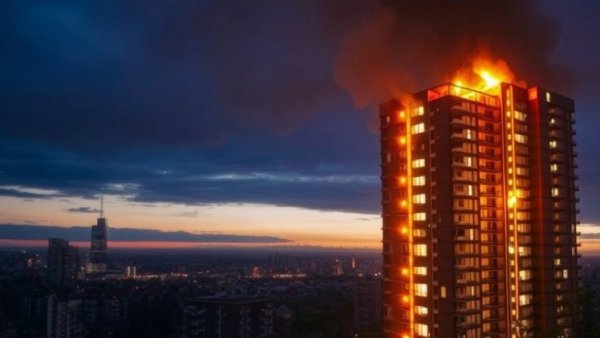
The Critical Lessons From Grenfell: What Every Landlord Must Know
The Grenfell Tower fire, which tragically claimed lives and caused extensive property damage, highlighted the chronic risks associated with apartment living—risks that landlords must heed. Over 329,500 structural fires occurred in homes and apartments in 2024 alone, according to the National Fire Protection Association (NFPA), with issues of liability becoming more complex due to modern materials and technology. Apartment fires, which accounted for 76,000 of these incidents, underscore the urgent need for safety compliance, particularly in properties with extensive tenant populations.
Understanding Modern Fire Risks
Today, the furnishings we use aren’t just aesthetically pleasing; they’re often made from petroleum-based synthetic materials that burn faster and hotter than their predecessors. A fire today can transition from a small flame to flashover within three to five minutes—a striking reduction from the 15 to 17 minutes afforded three decades ago. This rapid escalation not only increases the risk to life but complicates landlords' liability, as tenants may seek accountability when safety measures falter.
Landlord Liability: Beyond Physical Damages
Landlords often think solely about physical property damage, which the NFPA estimates at $19 billion for 2024. However, potential liabilities extend far beyond structural damage to psychological distress, wrongful death, and suffering experienced by tenants. The rise of precarious living conditions has made tenants more vigilant about safety issues, and rightly so. For example, recent fires in Atlanta and Oregon resulted in multimillion-dollar settlements due to management's negligence in addressing pressing safety concerns. Tenants are less likely to overlook failures in maintenance and safety protocols, placing substantial responsibility on landlords.
Case Studies Highlighting the Importance of Safety Measures
The recent destructive fire at The Reserve at LaVista Walk in Atlanta and the Heidi Manor Apartments fire in Oregon serve as stark reminders of the consequences of negligence. These fires, fueled by a lack of accountability and delayed safety upgrades, resulted in catastrophic losses for property owners. If Grenfell stands as a loud alarm for landlords worldwide, the recent events show that similar tragedies can happen anywhere, including right here in our communities.
What This Means for the Housing Market in Macon
With the unique characteristics of the Macon housing market, safety remains paramount as the area continues to develop. As prospective buyers consider affordable homes in Macon and luxury apartments for rent, they should prioritize properties with sound safety records. Homebuyers now actively seek information on past incidents, compliance with safety regulations, and the overall condition of properties. Highlighting these aspects can help attract responsible landlords and informed tenants which benefits everyone.
Building a Safer Community
Communities must rally together to put forward strong safety measures and legal frameworks requiring accountability from landlords. Residents deserve to feel secure in their own homes, and local real estate agents in Macon Georgia, alongside tenants, play a crucial role in advocating for enhanced property safety standards. By leveraging insights from tragic events like Grenfell, communities can foster safer environments that not only protect lives but enhance property values.
Conclusion: Make Informed Real Estate Decisions
As we reflect on the lessons of the Grenfell Tower fire and similar incidents, it’s vital to recognize our role as community members and consumers in the real estate market. By understanding landlord liabilities and the changes in fire safety, prospective buyers and renters can make informed decisions about their living situations. Whether you’re looking at homes for sale in Macon or apartments for rent, prioritize safety as a critical factor in your decision-making process. If you are a landlord, taking proactive measures in fire safety is not just essential; it’s a responsibility you owe to your tenants.




Write A Comment